
Nuclear Scanning (PET-CT)
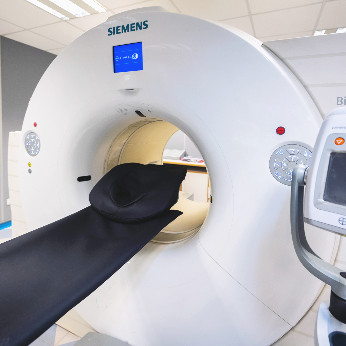
 Nuclear Scanning (PET-CT)
Nuclear Scanning (PET-CT): Steps & Importance

What is Nuclear Scanning (PET-CT) & Why It Is Important in Diagnosing Cancers?
A nuclear scan is one of the highly accurate medical tests used in the field of nuclear medicine. It involves the use of small doses of radioactive chemical (isotope) which are safe and specifically designed to evaluate organ function and accurately diagnose certain diseases. What makes this test especially valuable is its ability to detect functional changes within the body even before noticeable clinical symptoms appear, allowing for early intervention and timely treatment.
The nuclear scanning process, normally, involves introducing a precise amount of a safe radioactive substance into the body, either through intravenous injection, inhalation, or oral intake, depending on the nature of the test and the targeted area. Once the substance enters the body, special cameras known as (Gamma Cameras) capture detailed images showing how the tissues interact with such radioactive material used. These images, accordingly, provide vital information about organ function, activity levels, and any abnormalities, helping physicians diagnose conditions and determine the extent of disease spread with great accuracy.
Learn more about nuclear scans from the experts at Ayady 4040 Hospital in this video:
Is PET-CT Nuclear Scan Effective in Detecting Cancer?
In many cases, a nuclear scan is used to detect cancerous tumors, whether in their early stages or when there's a suspicion that the cancer has spread to other organs such as the bones or liver. For instance, if a tumor is found in the breast, a nuclear scan can help determine whether the disease has metastasized to the skeletal system. However, nuclear scan results cannot be considered definitive proof or a final diagnosis of cancer. Rather, it is one step within a broader series of diagnostic procedures. Confirmation requires additional tests such as biopsies, CT scans, or MRI imaging to reach a precise and final diagnosis.
Getting Ready for PET-CT Nuclear Scanning
To ensure accurate results and maintain patient safety, it is essential to follow certain important instructions before and after undergoing a nuclear scan. These include:
- Informing your doctor if you are pregnant or breastfeeding.
- Stopping certain medications prior to the scan, as advised by your physician.
- Monitor blood sugar levels and control them if the patient has diabetes.
- Fasting for several hours before the scan, depending on the type of test being performed.
- Drinking plenty of water after the scan to help flush the radioactive material from the body quickly and safely.
Will I be Radioactive After a PET-CT Nuclear Scan?
Yes! However, most nuclear scans do not require extended isolation periods, especially since only very small amounts of radioactive material are used. These substances are naturally eliminated from the body, mainly through urine, within a period ranging from 24 to 72 hours at most. However, it is recommended to avoid close contact with children and pregnant women for a full day after the scan to minimize any unnecessary exposure to radiation.
Do PET-CT Nuclear Scans Hurt & How they Pose Risks to Others?
Nuclear medicine procedures are usually painless. They are very similar to other imaging procedures. The only slight discomfort a patient may experience is during the injection of the radioactive material, which feels much like a standard needle prick.
As for the safety of those around the patient, the scan generally poses minimal risk. Only very small amounts of radioactive substances are used. However, as a precaution, especially when higher doses are involved or when scans are repeated within short intervals, it is advised to avoid close contact with pregnant women and young children for a full day after the procedure.
When Do I Get My Test Results?
The time it takes to receive nuclear scan results varies depending on the type of scan, but in most cases, results are available within one to three business days. A specialist in the nuclear medicine unit carefully reviews and analyses the images to assess tissue activity and detect any functional abnormalities. Once the analysis is complete, the report is shared with the responsible physician, who explains the findings in the context of the patient’s overall health and discusses the possible plans of treatment.
Precautions After PET-CT Nuclear Scan
After undergoing a nuclear scan, it is important to follow a few simple safety precautions to ensure the safe elimination of any remaining radioactive material and to minimize any potential exposure to those around you. These may include:
- Drinking plenty amounts of water to help flush out the radioactive material more quickly.
- Washing hands thoroughly after using the bathroom to prevent the transfer of any residual radioactivity.
- Avoiding close contact with children and pregnant women for at least 24 hours.
- Following all instructions provided by the medical team or nuclear medicine specialist.
Does a PET-CT Nuclear Scan Have Any Harmful Effects on the Body?
The radiation dose used in a nuclear scan, in general, is low and considered safe, causing no actual harm to the vast majority of patients. Some individuals may experience mild fatigue or slight discomfort at the injection site, but these symptoms are typically temporary and resolve on their own without the need for any intervention. Allergic reactions to the radioactive material are extremely rare, and if they do occur, the medical team is fully prepared to manage them promptly and effectively.
A Whole-Body Scan
In certain cases, a full-body nuclear scan is required, especially when there is a suspicion that cancer has spread to multiple areas or to monitor infections or pathological changes. This type of scan provides a comprehensive and detailed view of the function of organs and tissues, helping physicians assess the extent of disease spread and accurately identify problem areas, thus, enabling the selection of the most appropriate treatment plan.
Is Nuclear Scanning Dangerous for Children?
Nuclear scans are only performed on children when there is a medical necessity. In such cases, the radiation dose is precisely adjusted to match the child's age and weight, minimizing any potential risk. The lowest possible dose is always used to achieve the required diagnostic purpose, and less radioactive alternatives are considered when available. The scan is conducted under the supervision of a specialized and trained pediatric medical team to ensure maximum safety and accuracy.
Nuclear Scanning at Ayady 4040
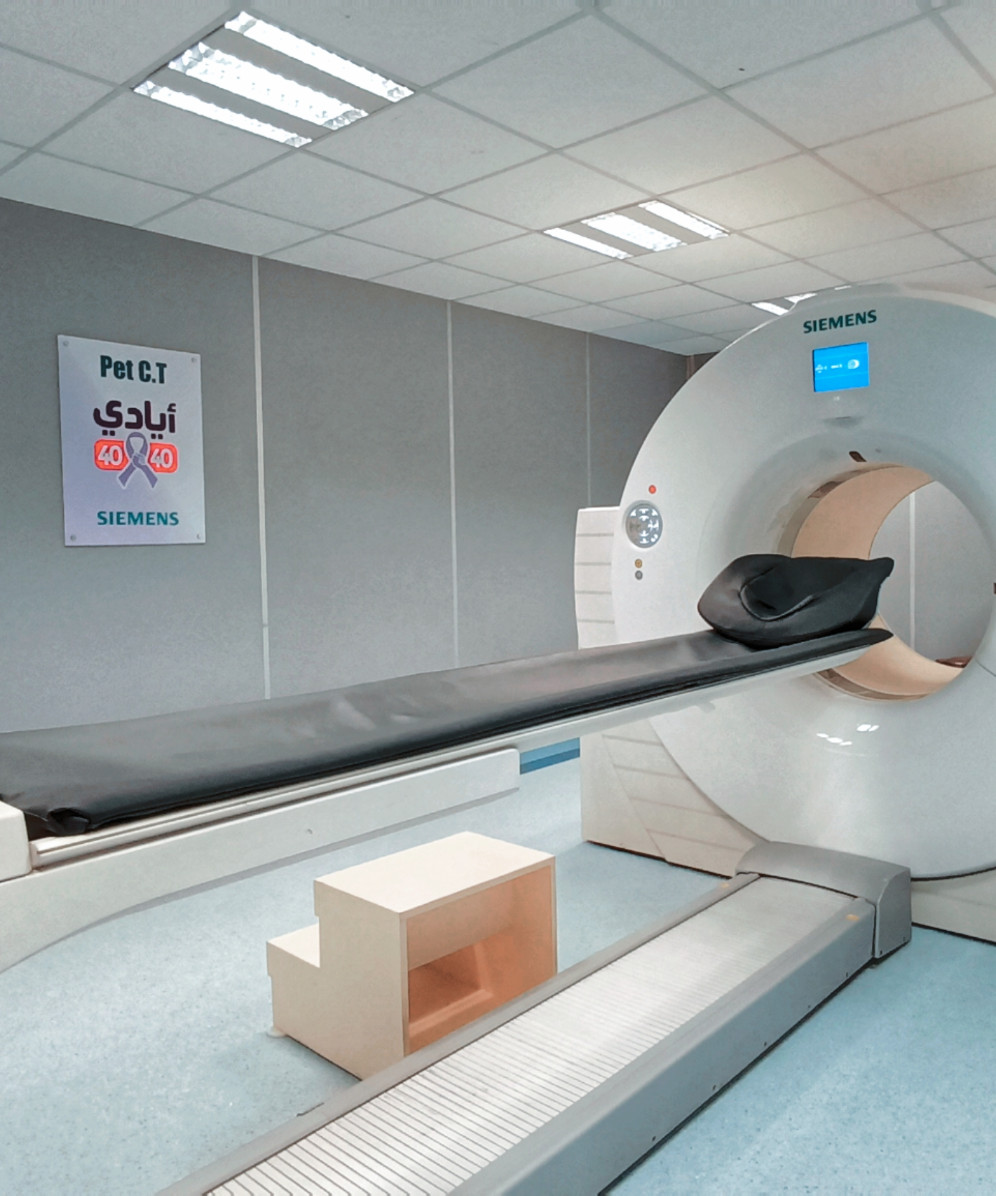
Ayady 4040 offers nuclear scanning services using the latest medical equipment, overseen by a team of highly specialized doctors. The hospital pays special attention to supporting cancer patients who are financially disadvantaged, providing diagnostic tests and treatment completely free of charge. Its care goes beyond medical services, offering comprehensive psychological and social support to patients throughout their treatment journey.
In a nutshell, nuclear scans are not just traditional medical examinations; they are an accurate and effective diagnostic tool that contributes to the early detection of many diseases, most notably cancer. It also helps physicians to develop the most suitable treatment plan based on reliable data. If a nuclear scan is recommended by your doctor, don’t ever hesitate. Early detection of any disease can make all the difference.
We’re here to help. You can reach us via:
Phone: 16824 for Donations or +2033785040 for Inquiries
Email: info@ayady4040.org
Visit us: Akasia Resort, Behind the International Garden, Alexandria, Egypt
Prepared by: Ayady 4040 Hospital Medical Committee
Last reviewed: July 24, 2026