

What Is Cancer? Everything You Need to Know From the First Signs to Treatment
What is Cancer?
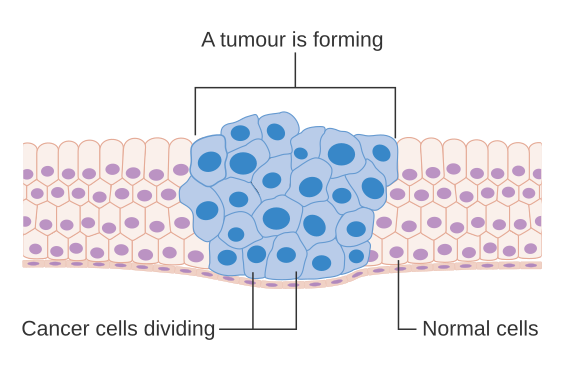
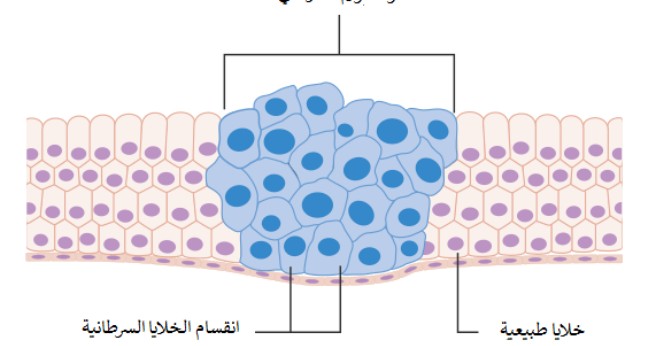
Cancer is a medical term that describes a broad range of diseases that arise from specific disruptions in the normal life cycle of cells. These disruptions lead to the uncontrolled proliferation of abnormal cells that do not respond to the body’s natural stop signals. These abnormal cells, usually, have the ability to invade and damage healthy body tissues and spread rapidly throughout the body. Medically, this process is called “Metastasis”. Accordingly, these cancerous cells can affect any part of the body, which is made up of trillions of cells.
Get expert insights on cancer from Ayady 4040 Hospital in the video:
Cancer Symptoms & Complications
Signs and symptoms of a cancer may vary depending on the affected organ or part of the body. They may appear locally in the impacted area or be more general, affecting the body as a whole. In some cases; however, no symptoms are present at all, and the disease is only detected by the way of thorough medical examination. Thus, it is always recommended to carry out regular check-ups, especially for those who suffer chronic conditions. Common symptoms may include:
• Persistent fatigue with no clear cause
• The appearance of a lump or hardened area under the skin
• Unexplained changes in weight, either gain or loss
• Noticeable skin changes, such as yellowing, darkening, or redness of the skin, sores, or changes in the size or shape of moles
• Changes in bowel or bladder habits
• Chronic cough or difficulty breathing
• Difficulty or pain while swallowing
• Hoarseness in the voice
Causes of Cancer
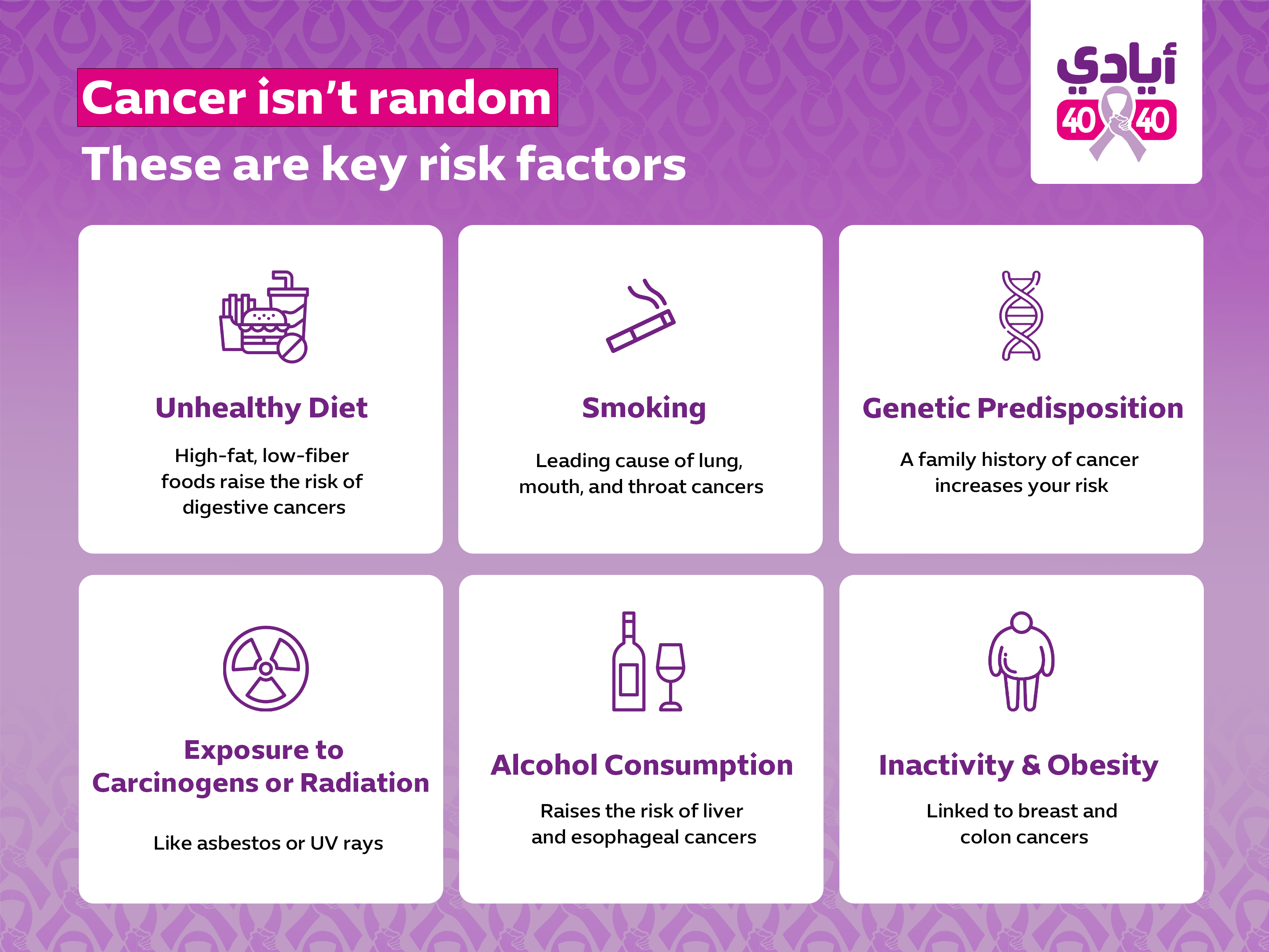
There is no clear or definitive cause of cancer. In many cases, it results from a complex interplay of various factors, including genetic predisposition, environmental exposure, lifestyle choices, and biological changes within the body. These causes can be broadly briefed as follows:
Genetic Factors:
Inherited traits often play a significant role in increasing the risk of developing cancer. These include, but are not limited to:
- Inherited genetic mutations that raise the risk of specific cancer types
- A family history of cancer, indicating a genetic predisposition
- Rare hereditary syndromes that affect the regulation of cell division and growth
Environmental Factors:
Environmental exposures also contribute to the development of certain types of cancer. Notable examples include:
- Inhalation of toxic chemicals and industrial pollutants and insecticides.
- Infections with certain viruses such as HPV (Human Papillomavirus) or HBV (Hepatitis B Virus)
Lifestyle Factors:
Everyday habits also play a major role in influencing cancer risk. These include:
- Smoking
- Obesity and lack of physical activity
- An unbalanced or unhealthy diet
- Excessive consumption of alcohol and drugs
- Overexposure to sunlight without adequate protection
Types of Cancer
There are various types of cancers, which vary depending upon the type of cells they originate from or the affected organ in the body. Among the most common types:
- Breast Cancer: Affects the breast tissue, particularly the milk ducts or lobules.
- Blood Cancer: Includes types such as leukemia and lymphoma, which affect blood cells and bone marrow.
- Brain Cancer: Originates in the brain's own cells or may result from malignant tumors spreading from other parts of the body.
- Prostate Cancer: Affects the prostate gland in men, with risk increasing significantly with age.
- Other Types: These include cancers of the colon and rectum, lungs, pancreas, liver, and skin.
Cancer Treatment
Cancer treatment depends on a range of factors, most notably the type of cancer, its stage, how far it has spread, and the overall health condition of the patient. Treatment may involve a single approach or a combination of several, as determined by the specialized medical team. Common treatment options include:
- Chemotherapy: One of the most widely used treatments, it involves the use of powerful drugs to kill cancer cells or stop their growth. It is often administered following surgical removal of tumors.
- Radiation Therapy: Uses high-energy rays to destroy cancer cells or shrink tumors.
- Surgical Removal and Treatment: A medical procedure aimed at removing all or part of the tumor.
- Immunotherapy: A treatment that stimulates the immune system to recognize and attack cancer cells.
- Palliative Care: Used in advanced or untreatable cases, this approach focuses on relieving pain and managing symptoms to improve quality of life.
Cancer Prevention
Although some types of cancers cannot be entirely prevented, many can be avoided or their risk can be significantly reduced through conscious preventive measures. These include:
Adopting a Healthy and Balanced Lifestyle:
- Following a nutritious diet rich in vegetables, fruits, and fiber
- Exercising regularly
- Quitting smoking and avoiding exposure to secondhand smoke
- Abstaining from alcohol consumption
- Protecting the skin from harmful sun exposure
Undergoing Regular Screenings and Early Detection:
- Breast exams and mammograms for early detection of breast cancer in women
- PSA testing for early detection of prostate cancer in men
- Regular tests and screenings for colorectal cancer
- Using medical imaging such as nuclear scans only when medically necessary
Vaccinations and Preventive Immunizations:
- Human Papillomavirus (HPV) vaccine
- Hepatitis B (HBV) vaccination
- Initiating treatment for Hepatitis C immediately upon detection
Read more about cancer prevention by clicking here.
Conclusion:
Cancer is one of the most complex and widespread diseases; however, awareness, preventive practices, and early detection remain powerful tools to fight it. With medical advancements and support offered by organizations such as Ayady 4040, which provides free cancer treatment, chances of survival and recovery are now better than ever. Thus, if you notice any unusual symptoms, don’t hesitate to seek help.
We’re here to help. You can reach us via:
- Phone: 16824 for Donations or +2033785040 for Inquries
- Email: info@ayady4040.org
- Visit us: Akasia Resort, Behind the International Garden, Alexandria, Egypt
For Donations click here
Early detection, of course, can save your life!
Read more:
Breast cancer symptoms, risks, and treatments
Lung cancer symptoms, diagnosis, and care
Prostate cancer evaluation and treatment options
Colon cancer symptoms, diagnosis, and treatment