

Do Microwave Ovens Really Cause Cancer, or Is Incorrect Use the Bigger Danger?
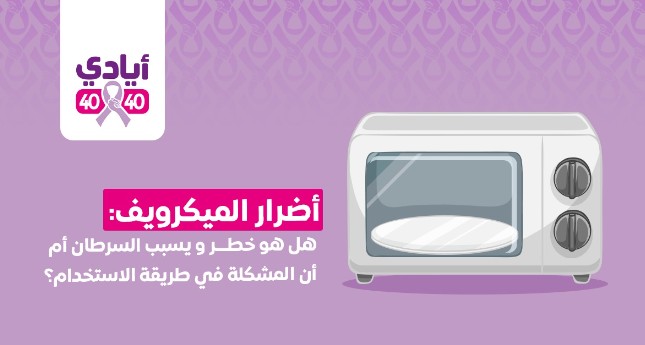
The microwave oven is now a basic part of modern kitchens because it is fast, practical, and saves time. Even so, many people still ask whether it harms health, causes cancer, or affects food, pregnancy, and children. The truth is that the microwave is not inherently harmful. The main issue is how it is used. A microwave in good condition and used as instructed is generally considered safe, while the real risks appear with poor heating practices, unsuitable containers, or a damaged appliance.
What is a microwave oven and how does the technology work?
A microwave oven is not hidden fire. It uses non-ionizing electromagnetic waves, which are similar in principle to radio waves but designed for heating. Inside the appliance, a component called a magnetron generates these waves. The waves bounce inside the metal cavity and are absorbed by water molecules in food, making them move rapidly and generate heat. Food also does not always cook from the inside out. In many cases, the outer layers heat first and the heat then moves inward.
- The waves used by microwave ovens are non-ionizing, which means they do not have the same kind of DNA-damaging energy associated with X-rays or gamma rays.
- The magnetron is the part that produces the microwave energy inside the oven.
- The metal cavity reflects the waves, while the food absorbs them, especially foods with high water content.
- Glass, paper, ceramic, and some plastics allow microwaves to pass through, which is why they can be used as heating containers.
Does a microwave oven cause cancer?
This is the most common question, and the direct scientific answer is no. There is no reliable evidence that a microwave oven in good condition and used properly causes cancer. The reason is that microwave radiation is non-ionizing, so it does not damage DNA in the way that directly raises cancer risk. Food also does not become radioactive after being heated in a microwave.
- Microwave ovens do not make food radioactive.
- Microwaves are not an established cause of cancer in normal household use based on the available evidence.
- The real health risk is usually not the wave itself under normal conditions, but misuse, appliance damage, or unsafe food-heating practices.
What are the real health harms of microwave ovens?
Cancer fears are common, but the real harms linked to microwave ovens are usually practical and immediate rather than long-term disease risks. The main issues involve burns, uneven heating, unsuitable containers, and damaged appliances.
- Burns from hot food or hot cups: Many microwave-related injuries are caused by hot food or containers, not by radiation itself.
- Exploding superheated water: Water in a very clean cup can become hotter than its boiling point without obvious bubbling, then suddenly erupt when moved or stirred, causing serious burns.
- Uneven heating of food: Some areas may remain cooler than others. This matters especially when reheating food, because germs may survive if the food is not stirred and allowed to stand after heating.
- Melting or damage from unsuitable containers: Some plastic containers not designed for microwave use can deform or break down when heated.
- Sparks or appliance damage with metal: Metal and aluminum foil can reflect microwaves and lead to sparks, uneven heating, or oven damage.
Does microwave heating damage the nutritional value of food?
Many people worry that microwaves destroy nutrients, but that is not accurate. In reality, microwave cooking does not reduce nutritional value more than conventional cooking. In some cases, food may even retain more vitamins and minerals because cooking time is shorter and less water is used.
- Some vitamin loss happens with heat in general, not with microwaves alone.
- Shorter cooking time and less water can help preserve more vitamins and minerals.
- The main nutrition issue is not the appliance itself, but the type of food we heat and how we prepare it.
Is heating food in plastic in the microwave harmful?
This is an important question because the issue is not the microwave alone but also the type of container. Not all plastic is suitable for heating. Containers labeled microwave-safe are the better choice, while plastics not meant for heating may soften or become damaged.
- Use only containers labeled as microwave-safe.
- Avoid thin, unknown, cracked, or non-microwave plastic containers.
- Glass and ceramic are often clearer and safer choices when in doubt.
Is the microwave harmful during pregnancy or for fertility?
This concern is understandable, especially with how often people search for phrases related to microwave risks during pregnancy. However, official health sources indicate that exposure to a household microwave in good condition is not a known risk to pregnancy or fertility. What matters is that the appliance is intact, used normally, and handled with the same safety precautions recommended for everyone.
- A microwave oven in good condition is not considered a known risk to fertility or pregnancy according to official sources.
- There is no general recommendation that pregnant women must avoid using a household microwave that is working properly.
- If the door does not close properly or there is visible damage, the appliance should not be used until it is repaired or replaced.
Is it dangerous to stand in front of a microwave while it is running?
In normal daily use, standing in front of a microwave in good condition is not considered a known health danger. Even so, health authorities advise, as an extra precaution, not to lean directly against the oven for long periods while it is operating, especially for children. This is a preventive recommendation, not proof that a working microwave is inherently harmful.
- A microwave built to safety standards should not leak harmful levels during normal use.
- Exposure levels drop quickly as you move farther away from the appliance.
- Children should not press their faces against the microwave door while it is operating.
How can we use a microwave oven safely at home?
A microwave can be both very safe and very practical when used correctly. These simple steps reduce most potential microwave risks, whether related to health, food quality, or the appliance itself.
- Use glass, ceramic, or containers labeled microwave-safe.
- Stir or rotate food during heating whenever possible to distribute heat more evenly.
- Let food stand for a few minutes after heating when recommended, because heat continues to spread after the oven stops.
- When reheating food, make sure it is hot all the way through.
- Do not heat water or liquids longer than recommended.
- Do not use the oven if the door does not close firmly or if it is bent or damaged.
- Clean the cavity, door, and edges regularly to maintain performance and safe sealing.
When should you stop using a microwave oven?
You do not need to fear every microwave. You only need to notice the signs that safety may no longer be reliable. When these problems appear, stopping use temporarily or seeking repair is the sensible decision.
- If the door does not close firmly.
- If the door, edges, hinges, or seals are damaged.
- If the oven appears to operate with the door open.
- If you notice burning smells or sparks caused by misuse or internal damage.
How should you think about microwave safety?
The main takeaway is that the real harms of microwave ovens are usually not about the waves themselves in normal household use. They are about daily mistakes such as uneven heating, the wrong containers, overheated water, or a damaged appliance. So, you do not need to avoid the microwave. You need to use it wisely. Choose the right container, stir food, allow standing time, and check the door condition, and in most homes the microwave remains a practical and generally safe appliance.
Support Cancer Patients with Ayady 4040
At Ayady 4040, support goes beyond treatment. It also includes awareness, guidance, emotional support, and helping patients access the care they need. Your donation can make a real difference in the lives of cancer patients and their families.
By donating, you help sustain free patient support services and educational efforts that provide people with trusted health information and practical support throughout their journey.