

Is Cancer Contagious?
Is Cancer Contagious?
Cancer is one of the most complex and common diseases of the modern era, characterized by abnormal growth that leads to the formation of tumors that may spread to various parts of the body. With the increase in health awareness and rising global incidence levels, an important and worrying question has arisen: Is cancer contagious? This question is not strange, especially since some other diseases that may affect cells or tissues can be transmitted through infection. However, cancer differs greatly in its nature and causes, as it usually arises as a result of genetic changes or environmental factors, and not due to viral or bacterial infection.
Is Cancer Contagious?
Cancer is generally not contagious and does not spread from person to person even if the contact is close. Cancer does not spread through touch, sexual contact, kissing, droplets, or using utensils previously used by a cancer patient. However, there are only two cases in which cancer can be transmitted from one person to another, as explained below:
Organ or Stem Cell Transplant
It has been found that cancer may be transmitted through organs or stem cells during transplant procedures if the donated organ is cancerous. Cancer may then spread to the recipient, and the situation becomes worse if the recipient’s body is unable to resist, since they usually take medications that suppress the immune system to reduce the risk of attacking the transplanted organ. It is worth mentioning that these cases are extremely rare due to strict medical procedures now followed before transplantation, as a biopsy of the donated organ is taken and examined before starting the procedure.
Transmission of Cancer from Mother to Fetus
Rare cases have been discovered in which cancer was transmitted from mother to fetus during pregnancy due to cancer cells crossing the placenta into the fetus and spreading in its body because of the inability of the fetal immune system to recognize them. Pregnant women diagnosed with cancer should not worry about this, as these cases are extremely rare. All that is required is maintaining psychological balance and not giving this issue more importance than it deserves.
How Does Cancer Occur?
The process of reproduction and growth of body cells is subject to multiple control mechanisms, the purpose of which is to regenerate all the body’s damaged cells and replace them with new ones capable of performing their functions efficiently. This process must be precisely regulated, as it is extremely intricate and essential.
In some diseased cases, a number of cells may grow abnormally, leading to excessive increases in their numbers and their reproduction without responding to the body’s inhibitory mechanisms against such random growth. This is what is often called a tumor, defined as any abnormal growth of a number of cells.
It should be noted that a tumor is not necessarily malignant, as tumors are mainly classified into cancerous and benign tumors. Cancerous tumors are considered very dangerous to the patient’s health, as they attack nearby tissues where they originated, in addition to the possibility of producing a large number of metastases. Metastases are cancer cells capable of spreading to different organs, causing the tumor to develop in those areas.
It is important to note that cancerous tumors may not respond to treatment plans in most cases. In addition, tumor recurrence after completing the treatment plan—whether medical or surgical—is possible, which is the major danger of cancer. On the other hand, most benign tumors respond quickly to treatment and are cured either through treatment plans or surgical removal, even without the risk of relapse or regrowth.
The Relationship Between Cancer and Viruses

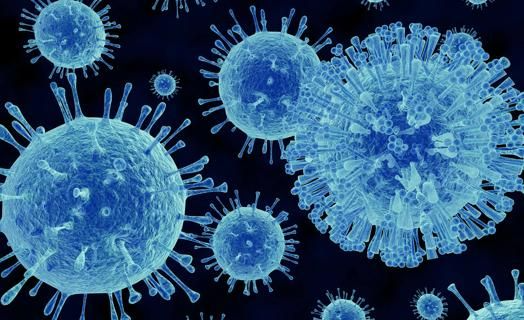
Some viruses can pose great danger to the body if the immune system fails to resist them. If untreated, they may cause several types of cancers. The most prominent viruses that cause cancer include:
- Hepatitis B virus (HBV)
- Hepatitis C virus (HCV)
- Human papillomavirus (HPV)
- Human immunodeficiency virus (HIV)
Cancer and Infection
Here we ask: Is cancer contagious if it is the result of viruses? The answer is no. Cancer does not spread even if it is virus-related. According to researchers, when a virus enters the body, the body receives the virus itself, not the cancer cells. After infection, the immune system may attack the virus to eliminate it, or the patient may need medications to perform this task. There is still sufficient time to fight the virus before it becomes a risk factor that could lead to malignant tumor development.
Early Symptoms of Cancer
Early symptoms of cancer act as warning signs of the disease developing in the body. These symptoms may vary from person to person and depending on the affected area. They include:
- Sudden weight changes (loss or gain).
- Persistent body pain.
- Noticeable changes in the skin, such as the presence of lumps, discoloration, or weakness.
- Difficulty swallowing.
- Breathing difficulty accompanied by persistent cough.
- Unexplained bleeding or bruising.
- Sudden fever.
- Increased night sweats.
- Severe indigestion.
- Ulcerations.
It should be emphasized that these symptoms remain uncertain until the required medical examinations are performed and the specialist doctor is consulted.
Risk Factors for Cancer
The risk factors that increase the likelihood of cancer vary according to the type and location of cancer in the body. The most prominent include:
- Aging: the presence of a family history of cancer, which confirms the strong relationship between heredity and risk of developing the disease.
- Smoking.
- Obesity, which may increase the risk of certain cancers.
- Alcohol consumption.
- Some viral infections: for example, HPV infection increases the risk of cervical cancer in women.
- Hepatitis infection, which increases the risk of hepatocellular carcinoma.
- Exposure to certain chemicals.
- Exposure to radiation, such as ultraviolet rays from the sun.
For inquiries about anything related to cancer and how to detect it early, you can contact Ayady 4040 Hospital directly at 16824, or through our official social media pages, where our medical team is ready to answer your questions and provide support at every step of the treatment journey.
Cancer Prevention
It is possible to prevent cancer by following a set of important guidelines, including:
- Following a balanced diet rich in vegetables, whole grains, and fruits, while avoiding processed meats.
- Avoiding smoking and alcohol consumption. If both are combined, the risk of cancer is very high.
- Exercising daily, even simple exercises such as jogging or swimming.
- Avoiding prolonged sun exposure, and using sunscreen and sunglasses when exposed.
- Trying to avoid stress and anxiety as much as possible, while training the body to maintain psychological balance.
- Getting rid of obesity, as it may significantly contribute to the spread of cancer cells in the body.
- Undergoing regular medical checkups, which help in early detection of any type of cancer, making treatment easier.
Does Cancer Spread by Touch?
Cancer is not contagious. It does not spread from person to person through breathing, using toothbrushes, touching, kissing, or even sexual intercourse.
Do Patients Pose a Risk?
Cancer patients do not pose any danger, since cancer is not contagious except in specific and rare cases.
In conclusion, cancer is not a contagious disease and does not spread from one person to another through contact, touch, or sharing utensils. It is a disease that results from cellular changes, except in some rare cases related to viral infections that may increase the risk of developing it. It is essential to understand that psychological and social support for cancer patients represents a fundamental part of the treatment journey, and that irrational fear of infection may add unnecessary psychological burdens.