

Signs of Successful Radiotherapy: When Can We Feel Reassured?
Signs of Successful Radiotherapy: When Can We Feel Reassured?
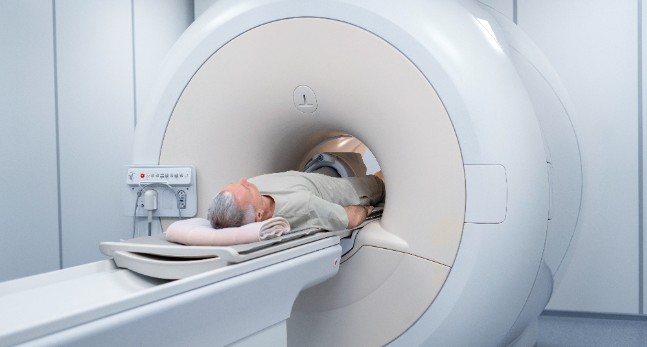
Radiotherapy is considered one of the main methods used in confronting cancerous tumors, as it relies on directing specific doses of radiation with high precision to target cancer cells and destroy their genetic material, which leads to stopping their growth or eliminating them completely, In many cases, this treatment works to reduce the size of the tumor to facilitate other treatments such as chemotherapy and others, Despite the effectiveness of radiotherapy, many patients wonder about the signs of successful radiotherapy: is it progressing correctly? And what are the indicators that confirm they are on the path to recovery? Therefore, in this article, we will learn together about the most important signs through which you can be sure of the success of radiotherapy, helping you understand your body’s response to treatment, and assisting you in following your healing journey with confidence and reassurance, under the specialized medical supervision of Ayadi Hospital and accurate medical expertise.

Signs of Successful Radiotherapy
There are many signs through which you can determine the success of radiotherapy, and the most important of these signs are as follows:
- The response to radiotherapy varies depending on the type of tumor, as some cancers are more sensitive to radiation than others, Early detection increases the chances of control or recovery, especially in patients with strong immunity and good health.
- The success of radiotherapy depends on choosing the appropriate type (external or internal), determining the doses accurately, distributing them across sessions, and the possibility of combining radiation with chemotherapy to increase effectiveness.
- Every patient has a different biological nature, which makes the signs of successful radiotherapy vary, Some patients show results quickly, while others need more time with careful follow-up after sessions.
- You can determine the success of radiotherapy through partial response, such as tumor shrinkage by ≥50% with the continued need for follow-up, or the disappearance of any tumor indicators in examinations, with the possibility of remaining undetectable microscopic cells.
Reasons for Resorting to Radiotherapy
Radiotherapy is a multi-purpose method used by doctors in different ways according to the type of cancer, its stage, and the patient’s general condition, The reasons for resorting to it vary between therapeutic goals aimed at completely eliminating the disease and others aimed at alleviating symptoms, The most prominent reasons are:
- This treatment is used in certain types of tumors such as prostate, larynx, and cervix, where it targets cancer cells to destroy them and prevent their reproduction.
- It is used alone or with chemotherapy, whether to reduce the size of the tumor before resection or to eliminate any remaining cancer cells afterward.
- Radiotherapy prepares for success by reducing the size of large or complex tumors, reducing risks, and raising the chances of recovery.
- It is used with rare or sensitive cancers such as brain tumors, where it can control tumor growth or eliminate it without major surgical intervention.
- It acts as a final cleaner for the tumor area, especially after breast and brain tumor surgeries, to reduce the likelihood of recurrence.
- It relieves pain, reduces bleeding, and limits tumor pressure on vital organs, improving the patient’s quality of life.
- It is used preventively in certain cases, such as treating the brain in lung cancer patients to reduce the risk of tumor spread to it.

Radiotherapy Success Rates
The success rates of radiotherapy vary from case to case, as its effectiveness cannot be judged by a single criterion, The outcome depends on a set of factors that determine the final result, Below are some examples of success rates achieved by radiotherapy in different types of cancer:
- Prostate cancer: When detected early and with a good response to radiotherapy, recovery rates may reach 90% or more, making it an effective option for this category of patients.
- Breast cancer: When radiation is used to target any remaining cancer cells, it can reduce the risk of recurrence by 50–60%, directly reflecting on improved survival rates.
- Head and neck cancers: In early stages, radiotherapy may achieve cure rates ranging between 80–90%, especially when combined with other treatments to enhance therapeutic effect.
- Lung cancer: The success rate varies greatly, ranging from 20% to 70%, depending on the disease stage, tumor type (small-cell or non-small-cell), and extent of spread in the body.
Examinations Monitoring the Effectiveness of Radiotherapy
After completing radiotherapy, the doctor’s role does not stop there, A new stage of close follow-up and periodic examinations begins, aiming to evaluate results and maintain the patient’s long-term safety, These regular visits may extend for several months or even years, depending on the nature of the disease and the body’s response to treatment, During each follow-up visit, the oncologist performs some tests, most notably:
- Blood tests: help detect certain levels of substances in the blood, such as enzymes or proteins, secreted by the tumor or affected organs.
- Tumor markers: proteins, enzymes, and other chemicals released by cancer cells during their growth, examined through blood, urine, or tissue to monitor disease regression or progression.
- X-ray: relies on low doses of radiation to produce images that reveal possible sites of cancer cells or show whether the cancer has spread, especially to bones.
- CT scan: provides accurate cross-sectional images of the body using powerful rays, helping the doctor determine tumor size and location precisely.
- MRI: uses strong magnets and radio waves to produce detailed images of organs and tissues, helping accurately identify tumor sites.
- PET scan: involves injecting a radioactive substance that cancer cells absorb more than healthy cells, making them visible in images, A decrease in the number or intensity of bright spots is one of the signs of successful radiotherapy.
- Mammography: specialized in early detection of breast cancer, using low-energy rays to obtain accurate images of tissues.
What Are the Possible Side Effects of Radiotherapy?
Although radiotherapy is one of the effective methods in fighting cancer, the use of high doses of radiation to target cancer cells may lead to some side effects, varying in severity and duration from one person to another, The most prominent are:
- Fatigue: One of the most common symptoms among radiotherapy patients, often appearing gradually as sessions progress, This fatigue results from the body’s effort to repair healthy tissues affected by radiation, in addition to the disease itself, Although fatigue may persist after treatment, it improves with rest, proper nutrition, and moderate physical activity.
- Skin irritation: Radiation may cause redness, dryness, itching, or skin cracking in the targeted area, These changes are usually temporary and manageable through regular moisturizing, avoiding direct sun exposure, and using doctor-recommended creams.
- Hair loss: May occur in areas directly exposed to radiation, such as the scalp in head treatments or other regions depending on tumor site, It is usually temporary, with hair regrowth within weeks or months after treatment, though sometimes with slight changes in density or color.
For inquiries about radiotherapy programs and services at Ayadi 4040 Hospital, you can call 16824 directly or contact us through our official social media pages, Our medical team is ready to answer your questions and provide support at every step of the treatment journey.

Duration of a Radiotherapy Session
The duration of a radiotherapy session is not fixed, as it is influenced by several medical and technical factors related to the patient’s condition and tumor nature, The most important are:
- The required duration varies depending on the type of cancer and its progression, Advanced tumors need higher, more concentrated doses, extending session time, while smaller or superficial tumors may require shorter sessions.
- Traditional external beam radiotherapy (EBRT) devices may take 10–30 minutes, while proton therapy may last 30–60 minutes due to its precision, Advanced systems such as IMRT, SBRT, or CyberKnife may range from 15–90 minutes, depending on the treatment plan.
- Tumors near vital organs like the brain or lungs require extra time to determine radiation angles and adjust dosage to minimize potential harm, extending session time.
- In some treatment plans, the medical team may choose high doses in fewer sessions or distribute doses across more sessions of longer duration.
- Before starting the session, the patient undergoes a precise preparation stage, including proper positioning and device calibration, which may take an additional 10–20 minutes.
- Sometimes unexpected patient responses or side effects require adjusting the session plan or recalibrating the device, increasing time spent.
When Does the Body Get Rid of Radiotherapy Side Effects?
The body’s recovery from radiotherapy side effects depends on several interrelated factors, including treatment duration and number of sessions, the targeted area, dose used, and the patient’s overall health. Individual body response plays a key role in recovery speed, These side effects are generally classified into two main types: acute (short-term) and late (long-term).
Short-term effects: usually appear during treatment or in the days and weeks immediately following it, including extreme fatigue, skin redness or irritation, dryness in the treated area, and nausea or digestive disorders depending on treatment site, These symptoms gradually fade after sessions stop, with most patients noticing clear improvement within 3–6 weeks of treatment completion, continuing until symptoms fully disappear.
Long-term effects: may not appear until months or even years later, including tissue stiffness, permanent changes in skin color or texture, muscle weakness or stiffness, or issues in treated organs, In some cases, complete recovery may take several months to a year, while some effects may remain permanent, especially if vital tissues were exposed to high doses of radiation.
The Best Center for Radiotherapy
When talking about signs of successful radiotherapy, the first step toward achieving the best results starts with choosing the right medical center, ensuring treatment effectiveness and patient safety. Among the distinguished centers in this field is Ayadi Hospital in Alexandria, thanks to its advanced technologies, highly skilled medical team, and comprehensive patient care throughout the treatment journey, The main advantages that make Ayadi Hospital one of the best choices include:
- The hospital relies on the latest radiotherapy systems such as CyberKnife, Gamma Knife, IMRT, and Proton Therapy, offering high precision in targeting cancer cells while reducing effects on surrounding healthy tissues, minimizing complications, and preserving organ function.
- The hospital includes a team of radiation oncologists, medical physicists, and radiotherapy technicians working together to precisely adjust doses and ensure treatment is applied with the highest levels of safety and effectiveness.
- An individualized treatment protocol is designed based on tumor type, stage, and patient’s health, increasing treatment efficiency and minimizing unwanted side effects.
- Radiation is directed with extreme accuracy to reduce any negative effects on non-cancerous tissues, helping decrease pain, fatigue, and long-term complications.
- The hospital provides specialized departments for chemotherapy and psychological support, giving patients a comprehensive, coordinated treatment plan to increase success rates and improve quality of life.
- A comprehensive patient support team is available, including psychologists, nutritionists, and rehabilitation experts, to provide physical and emotional assistance throughout all stages of treatment, helping patients adapt to any health or lifestyle changes.
- The hospital offers a safe and comfortable treatment environment, utilizing artificial intelligence technologies in radiotherapy planning, enhancing targeting accuracy and session efficiency.
How Do I Know Radiotherapy Is Successful? Do Results Appear Immediately?
The success of radiotherapy does not usually appear immediately, as its effect depends on gradually destroying cancer cells over time, Cancer cells may continue dying for weeks or even months after sessions end, Therefore, judging its success depends on medical examinations and regular follow-up by the doctor, In some cases, patients may feel symptom improvement, but true confirmation comes from imaging and test results.
In conclusion, we can say that the signs of successful radiotherapy are not only measured by its immediate results but also by its ability to give the patient a better, more comfortable life in the long term. Continuous follow-up, adherence to doctors’ instructions, maintaining general health, and other factors we discussed in this article support the continuity of positive results and preserve the patient’s life after treatment, If you are looking for specialized care, a professional medical team, and advanced therapeutic technologies in the field of oncology and radiotherapy, Ayadi Hospital in Alexandria is your ideal destination. Book your consultation now and begin your journey toward recovery.