

What is palliative care and its role in treating cancer patients
What is palliative care and its role in treating cancer patients
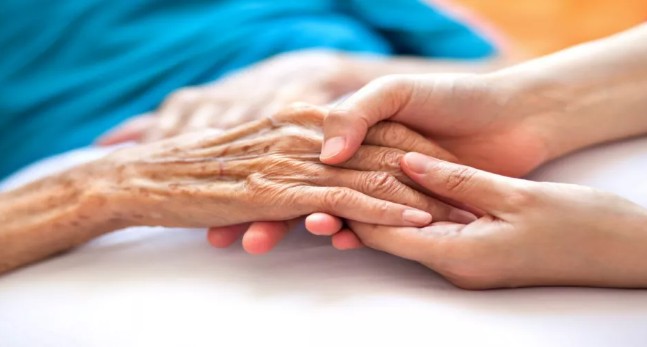
Medical treatment for cancer patients is no longer limited to attempting to eliminate the tumor alone but has extended to include an important humanitarian aspect which is improving quality of life and from this perspective palliative care has emerged as a comprehensive medical service aimed at relieving physical psychological social and spiritual symptoms of the patient whether the disease is curable or in an advanced stage and in this article we present the concept of palliative care its role in cancer treatment the types of palliative care its applications in specific cancers such as breast liver and lung cancer and its effects on the patient and the family
What is palliative care
Chemotherapy Palliative care is a holistic approach aimed at improving the quality of life of patients living with cancer and this includes:
- Symptom management: pain nausea shortness of breath fatigue loss of appetite insomnia depression and anxiety
- Psychological and social support: counseling family support and help in discussing fears and decisions
- Medical coordination: between specialists scheduling treatment appointments monitoring medications and side effects
- Spiritual and ethical support: helping patients face existential anxiety and providing care consistent with their values
- Advance planning and end of life care: assisting in making early decisions about preferred care in advanced stages
It is important to emphasize that palliative care is not synonymous with end of life care but can begin early at any stage of illness and can be provided in parallel with curative treatments

What is palliative chemotherapy
Palliative chemotherapy is the use of chemotherapy drugs to improve symptoms and slow disease progression not to achieve complete cure Its goals include:
- Shrinking tumors causing pain or pressure on vital organs
- Reducing symptoms such as bleeding obstruction or invasion of sensitive areas
- Prolonging survival while maintaining acceptable quality of life
- Improving the patient’s ability to engage in daily activities and maintain the desired quality of life
The choice of palliative chemotherapy protocol depends on cancer type overall patient condition organ function and treatment goals set by the patient and care team
Palliative care for cancer
Steps in cancer palliative care typically include:
- Comprehensive assessment of pain severity laboratory tests and psychosocial condition
- Developing an individualized care plan based on symptoms needs and patient goals
- Implementing multidisciplinary treatments including medications palliative radiotherapy surgical procedures nutritional and psychological support
- Ongoing monitoring and adjustments according to patient response and side effects
Types of palliative care
Main types of palliative care include:
Drug therapy for symptoms
- Painkillers: non opioids to strong opioids with side effect management
- Anti nausea drugs appetite stimulants antidepressants or anxiolytics
- Medications to improve respiratory function or reduce congestion
Medical procedures
- Palliative radiotherapy to reduce tumor size relieve pain or pressure
- Minor surgeries to relieve obstructions or drain fluid accumulations
- Nerve blocks or stimulation techniques for resistant pain
Palliative chemotherapy
- To reduce tumor burden and ease symptoms
Rehabilitation and physiotherapy
- Exercises to improve strength mobility reduce fatigue and enhance daily performance
Psychological social and spiritual support
- Individual therapy support groups family counseling social services for finances home care or legal issues
End of life care (hospice)
- Focused on comfort in the last days or weeks with intensive family support

Palliative care for breast cancer
- Pain control for bone metastases using strong analgesics or palliative radiotherapy
- Managing treatment side effects such as nausea hair loss chronic fatigue
- Supporting body image after mastectomy or physical changes through counseling and social support
- Emergency planning with early discussions about preferred care if the condition worsens
Palliative care for liver cancer
- Pain relief with medications or procedures to reduce tumor pressure
- Managing ascites through drainage or diuretics
- Preventing bleeding in cases of vascular involvement
- Nutritional support due to appetite loss and weakness
- Psychological support for jaundice fatigue and reduced daily performance
Palliative care for lung cancer
- Improving breathing with oxygen bronchodilators or drainage of pleural effusion
- Pain relief particularly with rib or spine metastases
- Cough management with suppressants and pulmonary physiotherapy
- Psychological support to address anxiety and panic linked to breathlessness
For inquiries about palliative care sessions at Ayady 4040 Hospital, you can call us directly at 16824 or contact us through our official social media pages. Our medical team is ready to answer your questions and provide support at every step of the treatment journey.
Effects of palliative care
Palliative care is associated with a number of positive effects, the most important of which are:
Positive effects:
- Better symptom control: less pain nausea improved sleep and appetite
- Improved psychological health: less depression and anxiety greater adaptability
- Increased social participation: better family interaction and activity involvement
- Reduced family burden: training families and providing support resources
- Fewer emergency hospital visits due to better follow up
Challenges:
- Medication side effects: drowsiness constipation occasional nausea
- Psychological challenges: discussing end of life issues
- Limited access: not all communities have full palliative teams
- Cultural stigma: some cultures associate palliative care only with end of life

When should palliative care start?
- Early alongside curative treatments
- To reduce side effects from chemotherapy or radiotherapy
- To support informed decisions about treatment options
- To improve tolerance of intensive treatments that may extend survival
Duration of palliative care?
- Depends on disease progression patient response agreed goals and changing needs
- May begin early and last for years or become intensive in the final weeks of life
- Flexible and adaptable care adjusted according to patient needs
Does palliative care cure cancer
- The main goal is not curing cancer but improving quality of life managing symptoms and supporting patients and families
- In some cases palliative chemotherapy or radiotherapy may shrink tumors and extend survival though not curative
Palliative care is a cornerstone in the treatment journey of cancer patients its importance extends beyond pain and symptom control to psychological social and spiritual support for patients and families it provides better quality of life helps patients face challenges with courage and peace and reflects the humanity of medicine confirming that the goal of treatment is not only to extend life but to make the remaining time more comfortable and dignified