

Is a Low Platelet Count the Same as Leukemia? A
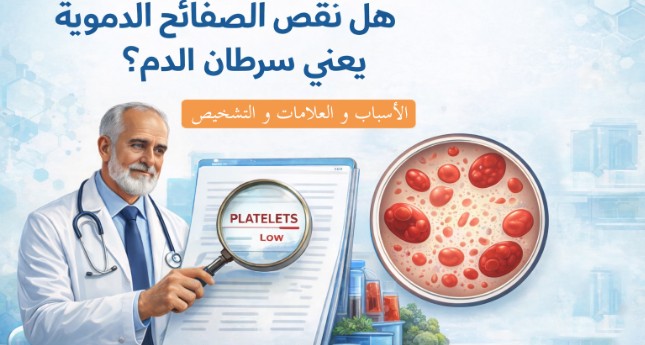
Is a Low Platelet Count the Same as Leukemia?
A low platelet count (thrombocytopenia) is a frequent laboratory finding that often raises concern for leukemia. In practice, thrombocytopenia does not inherently indicate malignancy. Numerous non-neoplastic etiologies, ranging from recent viral infections or medication effects to immune thrombocytopenia (ITP) and hepatic or splenic disorders, are far more common. This guide outlines key distinctions, identifies when thrombocytopenia warrants further evaluation, and reviews diagnostic and therapeutic approaches.
What are platelets and what count is considered “low”?
Platelets are tiny blood cells that help stop bleeding by forming clots. In adults, a normal platelet count is usually between 150–450 ×10³/µL. A count below 150 is called thrombocytopenia. The risk of bleeding depends on more than just the number; it also matters whether you’re having symptoms such as bruising, nosebleeds, or gum bleeding.
Does low platelets always mean leukemia?
No. A low platelet count has many possible causes. They usually fall into three main groups:
• Decreased production: due to nutritional deficiencies, medications, bone-marrow disorders, marrow infiltration, or chronic infections.
• Increased destruction: such as immune ITP, medication-related reactions, or certain infections.
• Splenic sequestration: when an enlarged spleen or advanced liver disease traps platelets.
When should leukemia be considered?
Leukemia may manifest with thrombocytopenia, but it is typically accompanied by additional cytopenias and constitutional symptoms, including fatigue, recurrent infections, spontaneous bruising or bleeding, night sweats, fever, or unintentional weight loss. Definitive evaluation relies on CBC with differential and peripheral smear, and when indicated, bone marrow biopsy, rather than platelet count in isolation.
Common Non cancer Causes
• Immune thrombocytopenia (ITP): It’s an autoimmune condition where the immune system mistakenly attacks and destroys platelets, leading to their destruction or drop.
• Medications: Some antibiotics, anticonvulsants, and heparin can lower platelet levels in certain individuals.
• Other causes: Viral infections, pregnancy, liver or spleen disorders, vitamin B12 or folate deficiency, alcohol use, and other autoimmune conditions can all lead to low platelets.
Red flag Symptoms
• Unusual bleeding: easy bruising, tiny red spots on the skin (petechiae), bleeding gums, nosebleeds, or heavy menstrual periods.
• Symptoms of anemia: dizziness, marked fatigue, or noticeably pale skin.
• Systemic symptoms: Unexplained fever, night sweats, or unintended weight loss.
Diagnostic Approach to Thrombocytopenia
• Physical examination: Assessment for petechiae, ecchymoses, lymphadenopathy, hepatosplenomegaly, or other clinical clues.
• Repeat CBC: To confirm thrombocytopenia and rule out lab errors such as platelet clumping.
• Peripheral smear: Evaluation for blasts, dysplastic features, schistocytes, or other morphological indicators.
• Targeted laboratory and imaging studies: Including hepatic and renal panels, serum B12/folate levels, viral serologies, autoimmune testing, and abdominal ultrasonography to evaluate splenic size.
• Bone marrow biopsy: Indicated when marrow failure, infiltrative processes, or hematologic malignancy is suspected.
How Treatment Changes Depending on the Cause
• ITP: Managed with corticosteroids and intravenous immunoglobulin (IVIG) and thrombopoietin receptor agonists (TPO RAs) and in selected refractory cases.
• Drug-induced thrombocyrtopenia: Discontinuation of the offending agent with serial monitoring for recovery.
• Secondary thrombocytopenia (infection, deficiency states, hepatic or splenic pathology): Address the underlying cause with ongoing platelet surveillance.
• Severe thrombocytopenia or active bleeding: Platelet transfusion and supportive measures as indicated.
• Leukemia-associated thrombocytopenia: Disease-directed therapies (chemotherapy, targeted agents) typically lead to platelet improvement as remission is achieved.
What Can You Do?
• Repeat the test: If the drop is mild and you have no bleeding, repeat the CBC to confirm the result.
• List all medications and supplements: Include prescription drugs, herbs, vitamins, and over-the-counter pain relievers.
• Avoid unnecessary blood thinners and NSAIDs: These can worsen bleeding or interfere with platelet function.
• See a hematologist: A specialist can provide a personalized evaluation and guide the right testing and treatment.
Contact Us
For more information, contact Ayady Hospital at +2033785040 or info@ayady4040.org.
Disclaimer: This article is for educational purposes and is not a substitute for professional medical advice. Always consult your physician for personalized diagnosis and treatment.